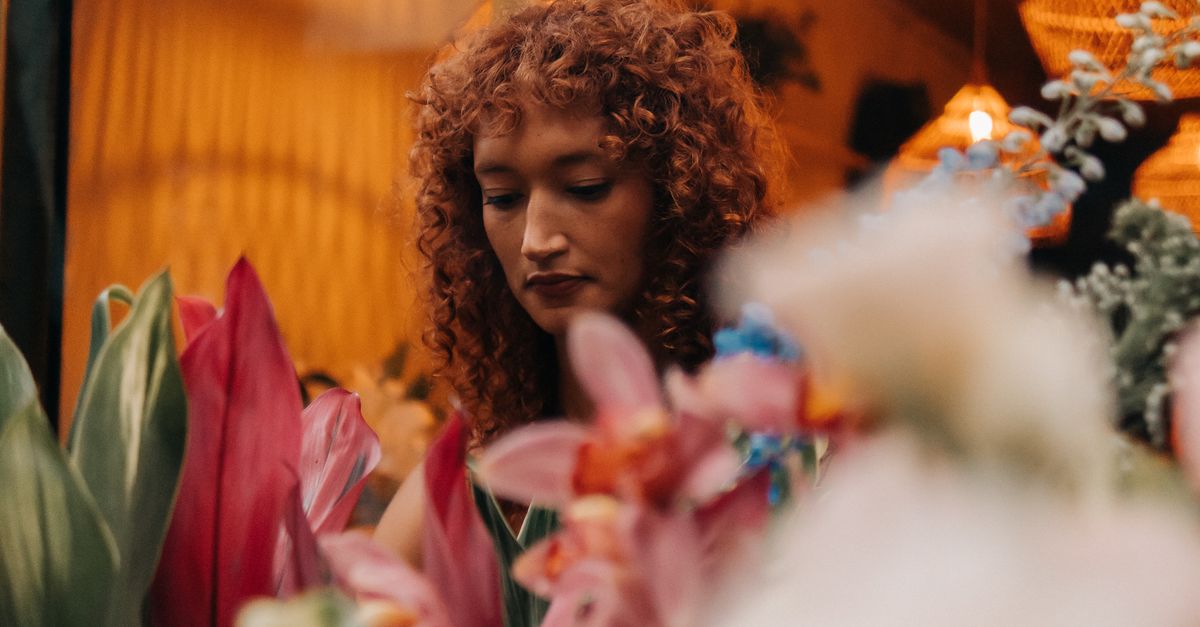
The Environmental Impact of Monthly Flower Subscriptions
Table Of Contents
Waste Management in the Flower Industry
The flower industry generates significant waste, with large quantities of unsold blooms and packaging materials ending up in landfills. Growers often face pressure to produce abundant stock for events and holidays, leading to surplus flowers that can spoil quickly. Additionally, floral arrangements commonly rely on non-biodegradable materials for wrapping and supports, which contributes to a growing waste crisis in the sector. Sustainable practices in flower disposal and management are increasingly important to combat these challenges.
Recycling initiatives and composting programmes are becoming essential within the industry to manage the waste effectively. Many growers are beginning to implement processes that allow for the repurposing of floral waste, transforming it into compost or mulch that can enrich the soil. Innovative practices such as creating networks for donations of unsold flowers to hospitals or charities also help reduce waste. As consumers become more environmentally conscious, the pressure to adopt responsible waste management strategies in the flower industry will likely continue to escalate.
Addressing Packaging and Spoilage Concerns
The flower subscription industry has increasingly come under scrutiny for its environmental footprint, particularly regarding packaging and spoilage. Traditional methods often rely on single-use plastics and excessive packaging to ensure flowers arrive in pristine condition. Many consumers may not realise that these materials contribute significantly to landfill waste. As awareness grows, companies are beginning to adopt more sustainable practices, such as utilising biodegradable packaging or recyclable materials, which aim to reduce their ecological impact.
Spoilage is another pressing concern, with a significant percentage of flowers not making it to the end user in fresh condition. Factors such as transportation times and storage conditions contribute to this issue. To combat waste, some subscription services have implemented smarter inventory management systems and innovative delivery methods, ensuring that flowers are as fresh as possible upon arrival. Additionally, providing customers with care tips helps to maximise the longevity of their bouquets, further reducing waste in the process.
The Role of Flower Subscriptions in Promoting Biodiversity
Monthly flower subscriptions often focus on locally sourced and seasonal blooms. This practice not only supports local growers but also helps maintain the native flora. By promoting the use of native plants, these subscriptions contribute positively to local ecosystems, providing essential habitats for various species. Supporting local biodiversity can enhance community resilience and preserve unique regional characteristics.
Furthermore, these subscriptions can encourage consumers to appreciate diverse plant species. By introducing unique and lesser-known varieties, they create awareness about the importance of biodiversity in urban gardens. This awareness fosters an appreciation for the role that all plants, especially native species, play in sustaining local ecosystems. Consequently, customers are more likely to adopt sustainable gardening practices and advocate for the protection of native habitats.
Encouraging Pollinator-Friendly Practices
Flower subscriptions can play a significant role in promoting practices that favour the health of pollinators. When consumers choose to support growers who prioritise ecological balance, they contribute to the preservation of essential habitats. Many subscription services now partner with local farmers who implement sustainable farming practices that protect bees, butterflies, and other beneficial insects. By selecting flowers that are organic and grown without harmful pesticides, these services can help maintain a thriving ecosystem.
Additionally, the promotion of native flora in monthly flower arrangements encourages biodiversity and supports local pollinator populations. Many subscription companies are beginning to feature seasonal blooms that attract native pollinators, creating a ripple effect in local ecosystems. Each flower delivery has the potential to raise awareness about the importance of selecting species that not only beautify a space but also contribute to environmental health. This shift towards inclusivity in flower selection fosters an appreciation for local flora and enhances the relationship between consumers and their natural surroundings.
Environmental Certification and Labels
Many flower subscription services are increasingly leaning towards environmental certification and eco-labels to enhance their appeal to eco-conscious consumers. Certifications such as Fair Trade, Rainforest Alliance, and Organic Farming represent a commitment to sustainable practices. These certifications ensure that flowers are grown under regulations that promote environmental health while considering the welfare of farmers. Subscribers can make informed choices, knowing their purchases support responsible cultivation methods.
Labels indicating sustainable sourcing play a crucial role in the plant industry. They provide transparency regarding the environmental impact of flower production. Subscribers keen on reducing their carbon footprint are drawn to these certifications, fostering a market that prioritises eco-friendly practices. As demand for sustainable options rises, growers are incentivised to adopt greener methods, thereby fostering a healthier ecosystem and supporting biodiversity.
Understanding Eco-Friendly Standards
Eco-friendly standards in the flower industry play a crucial role in reducing environmental damage. These standards cover various aspects, including sustainable growing practices, responsible sourcing, and minimal use of harmful chemicals. By adhering to these guidelines, growers can ensure they are contributing positively to ecosystems while providing consumers with healthier floral options.
Certifications such as Fair Trade and Rainforest Alliance indicate a commitment to eco-friendly practices. These labels inform consumers about the environmental and social impact of their flower purchases. Understanding these standards helps buyers make informed choices, encouraging a shift towards more sustainable floral consumption. Recognising and supporting certified flowers can contribute to a more eco-conscious industry.
FAQS
What are the environmental concerns associated with the flower industry?
The flower industry faces several environmental concerns, including waste management, excessive packaging, and spoilage of unsold blooms. These factors contribute to landfill waste and carbon emissions, necessitating more sustainable practices.
How can flower subscriptions help reduce waste?
Flower subscriptions often include a focus on sustainable sourcing and delivery, which can lead to less waste. Many subscription services aim to provide fresh, seasonal flowers, potentially reducing spoilage and encouraging responsible consumption.
What is the impact of packaging on the environment in the flower industry?
Packaging can contribute significantly to environmental waste, particularly if it is single-use or non-biodegradable. Many flower subscription services are now opting for eco-friendly packaging to minimise their environmental footprint.
What role do flower subscriptions play in promoting biodiversity?
Flower subscriptions can promote biodiversity by sourcing flowers from local growers and encouraging the use of native and pollinator-friendly plants. This helps support local ecosystems and contributes to the health of pollinator populations.
How can I identify eco-friendly flower subscription services?
Look for certifications and labels that indicate environmentally friendly practices, such as organic certification or participation in sustainability programmes. Additionally, research the company's sourcing methods and commitment to supporting biodiversity.
Related Links
How Seasonal Trends Affect Monthly Flower Subscription ChoicesComparing Local Providers of Monthly Flower Subscription Services
Gifting a Monthly Flower Subscription: A Unique Present Idea
The Convenience of Monthly Flower Deliveries in Newcastle
Personalising Your Monthly Flower Delivery Experience
Affordable Monthly Flower Subscription Plans for Every Budget
Exploring Different Bloom Options in Monthly Subscriptions
How to Choose the Right Monthly Flower Subscription Service