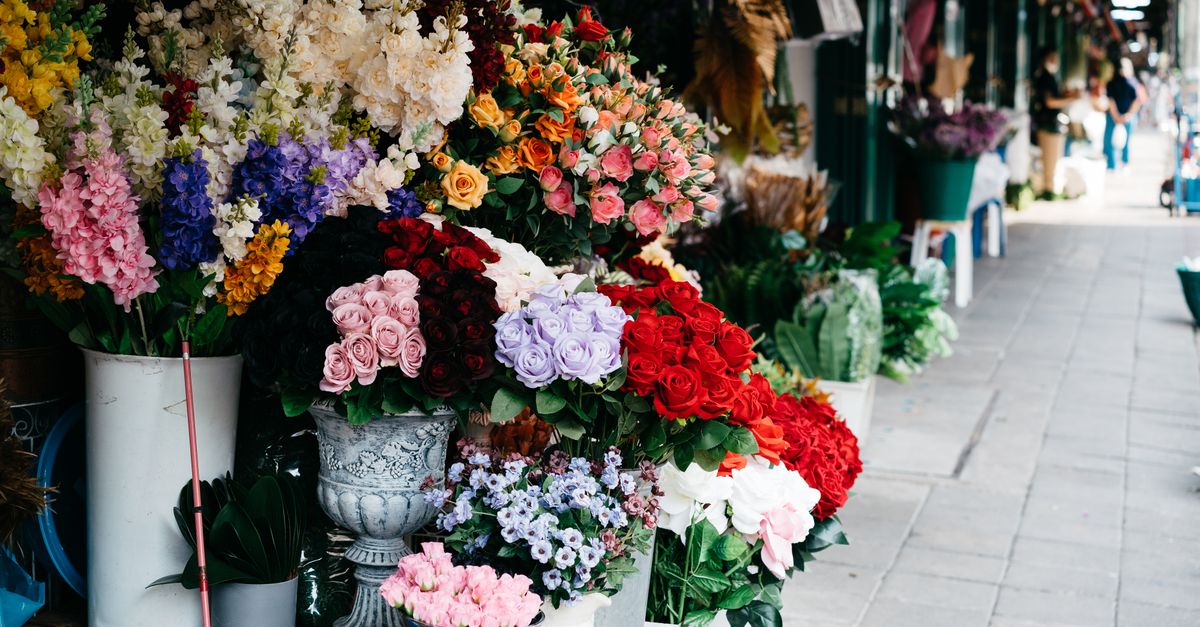
Seasonal Selections: Creating a Custom Flower Experience Year-Round
Table Of Contents
Choosing the Right Flowers for Your Occasion
Selecting the perfect blooms for your event involves considering both the theme and the emotional tone. Each flower carries its own symbolism and meaning. For instance, red roses often signify love and passion, making them ideal for romantic occasions. In contrast, lilies can convey a sense of purity and tranquility, which suits more formal or reflective gatherings. Understanding the significance behind various flowers will help convey the right message to your guests.
Seasonal availability plays a crucial role in the decision-making process. Choosing flowers that are in season not only enhances the overall aesthetic but also supports good environmental practices. Seasonal blooms often have a fresher appearance and a longer vase life, as they are harvested at their peak. Familiarising yourself with the local growing seasons ensures that you select flowers that are not only beautiful but also contribute to sustainability and support local economies.
Matching Blooms to Events
Selecting the perfect flowers for an event requires consideration of both the occasion and the atmosphere you wish to create. For weddings, romantic blooms like peonies and garden roses often steal the spotlight, while bold sunflowers can add vibrancy to casual gatherings. Corporate events typically benefit from more subdued arrangements, perhaps utilising elegant orchids or sleek calla lilies to convey professionalism.
Seasonal events also call for specific floral choices. During the festive season, Christmas arrangements may feature traditional red and white blooms, complemented by seasonal greenery. In spring, pastel-coloured flowers such as tulips and daffodils bring a sense of renewal and joy, perfect for Easter celebrations or garden parties. Understanding these nuances can help ensure your floral arrangements resonate with the event's theme and narrative.
Tips for Caring for Seasonal Flowers
To ensure that seasonal blooms thrive and maintain their beauty, proper care is essential. Begin by trimming the stems at an angle before placing them in fresh water. This increases water absorption and helps the flowers last longer. Regularly change the water and remove any dead leaves or petals that may fall into the vase. These simple steps help to prevent bacteria growth that could shorten the lifespan of your flowers.
Temperature and sunlight play significant roles in the longevity of your floral arrangements. Keep bouquets away from direct sunlight and heat sources, as extreme temperatures can cause wilting. Placing flowers in a cooler room can also help to preserve their freshness. Additionally, consider using flower food, as it contains nutrients that may prolong their beauty and vitality. Regular monitoring will assure that your seasonal flowers remain vibrant and delightful throughout their display.
Extending the Life of Your Bouquets
To ensure your flower arrangements remain vibrant for as long as possible, proper care is essential. Start by trimming the stems diagonally under running water. This method prevents air bubbles from forming in the stems, allowing for better water absorption. Regularly change the water, ideally every two to three days, and ensure that no leaves are submerged. Leaves in the water can promote bacterial growth, which shortens the lifespan of the bouquet.
Another effective strategy is to keep your flowers away from direct sunlight and heat sources. A cool, shaded spot will significantly contribute to their longevity. Additionally, consider adding flower food to the water, as it provides essential nutrients and helps maintain clarity in the water. Monitoring the condition of the petals and removing any wilting flowers also helps to maintain the overall health of the arrangement, enhancing its appearance and lifespan.
Sustainable Sourcing of Seasonal Flowers
Sustainable practices in the flower industry increasingly focus on sourcing blooms that support local ecosystems. By choosing seasonal flowers grown nearby, consumers not only reduce carbon footprints linked to long-distance transportation but also help maintain the unique biodiversity of their regions. Local growers are often more attuned to environmentally friendly cultivation methods, using fewer chemicals and prioritising natural soil health. This approach fosters a connection between the community and the land, allowing for a clearer understanding of how floral choices impact the environment.
Supporting local growers can also enhance the freshness and quality of the flowers. Seasonal blooms tend to have a longer shelf life due to minimal handling and transportation. Additionally, when you purchase directly from farmers or local markets, you can often learn about the specific growing practices employed, which can enhance appreciation for the artistry of floral arrangements. Unique, regionally sourced flowers can elevate any event, making it not just visually stunning but also environmentally conscious.
Supporting Local Growers
Purchasing flowers from local growers not only supports small businesses but also contributes to the environment. Seasonal flowers often require less transportation, which reduces the carbon footprint associated with long-distance shipping. Buying from nearby farms ensures that blooms are fresher and better suited to the local climate, enhancing their vibrancy and longevity.
Engaging with local flower markets provides an opportunity to learn about the varieties available throughout the year. Many growers offer unique blends that reflect the natural beauty of the region. This connection fosters a sense of community and promotes sustainable practices, ensuring that floristry remains both an art and a livelihood that thrives in harmony with local ecosystems.
FAQS
How do I choose the right flowers for a specific occasion?
Consider the event's theme, the recipient's preferences, and the seasonality of the flowers. Certain flowers carry specific meanings, so researching their symbolism can also help in making the right choice.
What are some flowers that match well with events like weddings or birthdays?
For weddings, consider classic blooms like roses, peonies, and lilies. For birthdays, vibrant flowers like gerbera daisies, sunflowers, and tulips can add a cheerful touch.
How can I extend the life of my seasonal flower bouquets?
To prolong the freshness of your bouquets, regularly change the water, trim the stems at an angle, remove any wilting leaves, and keep them in a cool location away from direct sunlight.
What are some sustainable practices for sourcing seasonal flowers?
Look for flowers that are locally grown and in-season, as these have a lower carbon footprint. Supporting local growers and florists who practice sustainable farming methods can also contribute to eco-friendly sourcing.
How can I support local flower growers?
You can support local flower growers by purchasing from farmers' markets, joining a flower subscription service that sources locally, or visiting local nurseries and florists that prioritise local produce.
Related Links
Choosing Your Colours: Customisation in Flower DeliveriesThe Art of Personalisation: Making Your Subscription Unique
Floral Expression: Customisable Options for Different Moods
Create Lasting Impressions with Customisable Flower Options
Choose Your Blooms: Crafting Custom Orders for Flower Deliveries