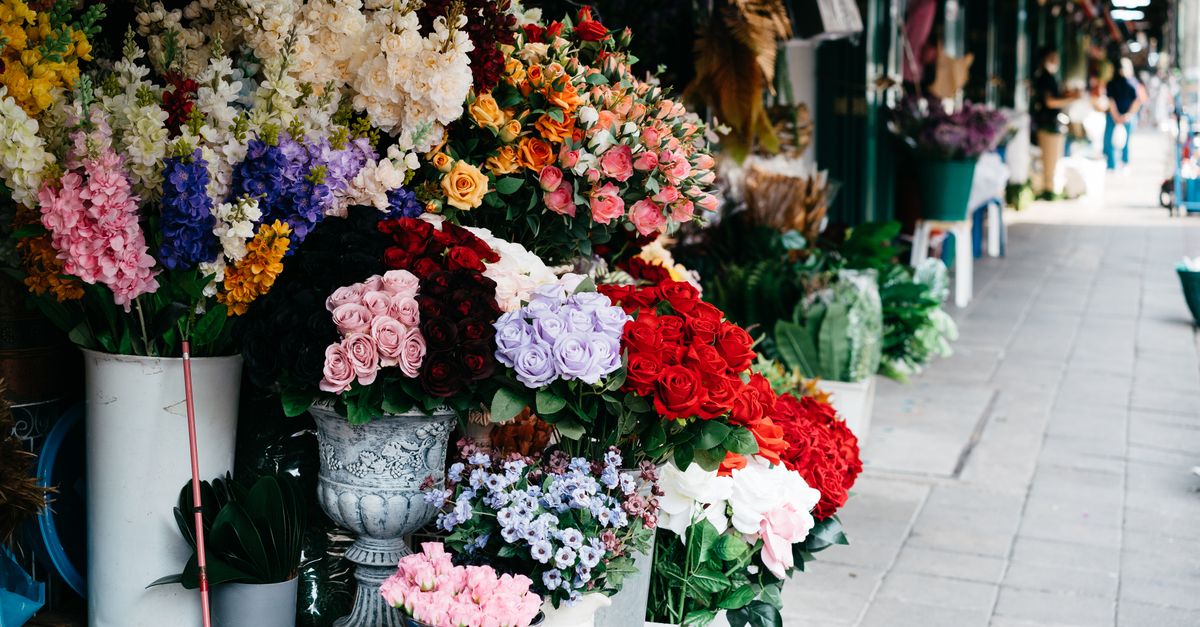
Creating Seasonal Arrangements: A Guide for Subscribers
Table Of Contents
Colour Schemes for Seasonal Arrangements
Selecting a colour scheme is essential for creating visually appealing seasonal arrangements. Each season brings its unique palette inspired by nature. In spring, pastel shades of pink, lavender, and soft yellow evoke a sense of renewal, while summer celebrates vibrant hues like bold oranges, reds, and deep purples. Autumn lends itself to warm, earthy tones such as burnt orange, rich burgundy, and golden yellow. Winter arrangements can incorporate cool blues, deep greens, and whites to reflect the serene beauty of the season.
When choosing colours, it is crucial to consider the overall theme of the arrangement and the emotions you wish to evoke. Pairing complementary colours can enhance the visual impact. For example, combining soft pink flowers with dark purple foliage creates a striking contrast. Incorporating varying shades of the same colour can provide depth and interest, ensuring the arrangement appears rich and balanced. Seasonal inspirations can guide your choices while allowing for personal expression.
How to Choose Complementary Colours
Understanding the basics of the colour wheel can significantly assist in selecting complementary colours. Complementary colours are those that are opposite each other on the wheel, such as blue and orange or red and green. This concept creates a vibrant contrast that can make arrangements stand out. When choosing colours, consider the mood you wish to convey. For a cheerful arrangement, lively contrasts work well, while softer pastels can provide a more subdued, tranquil effect.
Another approach involves using analogous colours, which sit next to each other on the colour wheel, like purple, blue, and green. These combinations create a harmonious and cohesive look, suitable for arrangements that aim to evoke a sense of peace and connection to nature. Incorporating a third colour can enhance the palette, adding an element of interest. Always be mindful of how these colours interact under various lighting conditions, as natural and artificial light can significantly alter their appearance.
Incorporating Foliage and Filler
Foliage and filler play a crucial role in creating depth and texture in floral arrangements. By incorporating various types of leaves and greenery, you can enhance the overall aesthetic while providing a lush backdrop for your focal flowers. Consider using different shades and sizes of foliage to create a visually appealing contrast. Popular options include eucalyptus, ruscus, or even ferns, which add a natural, organic feel to the arrangement.
In addition to foliage, filler flowers can effectively fill in any gaps while adding subtle beauty. Baby’s breath, limonium, and waxflower are excellent choices for providing a light, airy quality. These elements ensure your arrangement feels full, rich, and balanced. When selecting fillers, aim for those that complement the main flowers without overpowering them, allowing the arrangement to maintain a cohesive look.
Enhancing Arrangements with Greens and Texture
Incorporating various types of foliage introduces depth and richness to floral arrangements. Dark greens can serve as a backdrop, while lighter, variegated greens provide contrast and interest. Textured leaves, such as feathery ferns or waxy succulents, can elevate the overall aesthetic. Mixing several types of greens creates visual harmony and supports the standout blooms.
Texture plays a crucial role in ensuring arrangements are not only visually appealing but also engaging to the touch. Incorporating elements like dried branches or seed pods adds a tactile dimension. Combining different shapes and sizes draws the eye in, making the arrangement more dynamic. Each element contributes to a fuller, more intricate display that captures attention.
Caring for Your Arrangements
To ensure your seasonal arrangements thrive, regular maintenance is essential. Start by checking the water levels in the vase daily. Fresh cut flowers typically require water that covers their stems adequately. Change the water every two days to prevent bacteria growth, and trim the stems at a diagonal angle during the water change. This technique maximises water absorption, keeping the blooms fresh for longer.
Temperature and sunlight significantly influence the lifespan of your arrangements. Position them away from direct sunlight, heating vents, and sudden drafts. Flowers tend to prefer cooler environments, which help slow down their natural wilting process. If you notice any wilting blooms, remove them promptly to enhance the overall appearance of the arrangement and prolong the freshness of the remaining flowers.
Tips for Longevity and Maintenance
To ensure your seasonal arrangements remain vibrant for as long as possible, proper care is essential. Regularly check the water levels in your containers. Change the water every few days to prevent bacterial growth. Trim the stems at an angle to maximise water uptake. Avoid placing arrangements in direct sunlight or in areas with hot drafts. These conditions can accelerate wilting and reduce the lifespan of the flowers.
Foliage should also be monitored closely. Remove any yellowing or wilted leaves immediately to maintain the arrangement's aesthetic. It's beneficial to lightly mist the flowers and greens to provide extra hydration. As arrangements age, consider adding fresh blooms to replenish lost colour and integrate seasonal varieties. This practice not only prolongs the arrangement's life but also keeps it looking fresh and appealing throughout the season.
FAQS
What are some popular colour schemes for seasonal arrangements?
Popular colour schemes for seasonal arrangements often include warm autumn tones like oranges and reds, fresh spring pastels, vibrant summer hues, and cool winter shades. Choosing a palette that reflects the season can enhance the aesthetic appeal of your arrangements.
How can I choose complementary colours for my arrangements?
To choose complementary colours, consider using a colour wheel. Look for colours that are opposite each other on the wheel for a striking contrast, or select colours that are next to each other for a more harmonious look. This will help your arrangements stand out beautifully.
What types of foliage and filler should I incorporate into my arrangements?
Incorporating a variety of foliage such as eucalyptus, ferns, or ivy can add depth and texture to your arrangements. For fillers, consider using baby’s breath, statice, or seasonal flowers that complement the main blooms to create a fuller and more balanced look.
How can I enhance my arrangements with greens and texture?
You can enhance your arrangements by selecting a mix of foliage types that vary in shape and size. Layering different textures, such as using both soft greenery and structured leaves, will create visual interest and depth in your seasonal arrangements.
What are some tips for ensuring the longevity of my arrangements?
To ensure the longevity of your arrangements, regularly change the water, trim the stems at an angle, and remove any wilting leaves or flowers. Keeping your arrangements in a cool area away from direct sunlight and heat sources will also help maintain their freshness.
Related Links
What to Expect from Seasonal Selections in Your SubscriptionBenefits of Seasonal Flower Subscriptions in Newcastle
Why Seasonal Flowers Enhance Your Home Decor
Highlighting Newcastle's Seasonal Blooms: A Flower Guide
How to Choose Seasonal Flowers for Every Month
Summer Floral Favourites for Newcastle Subscribers