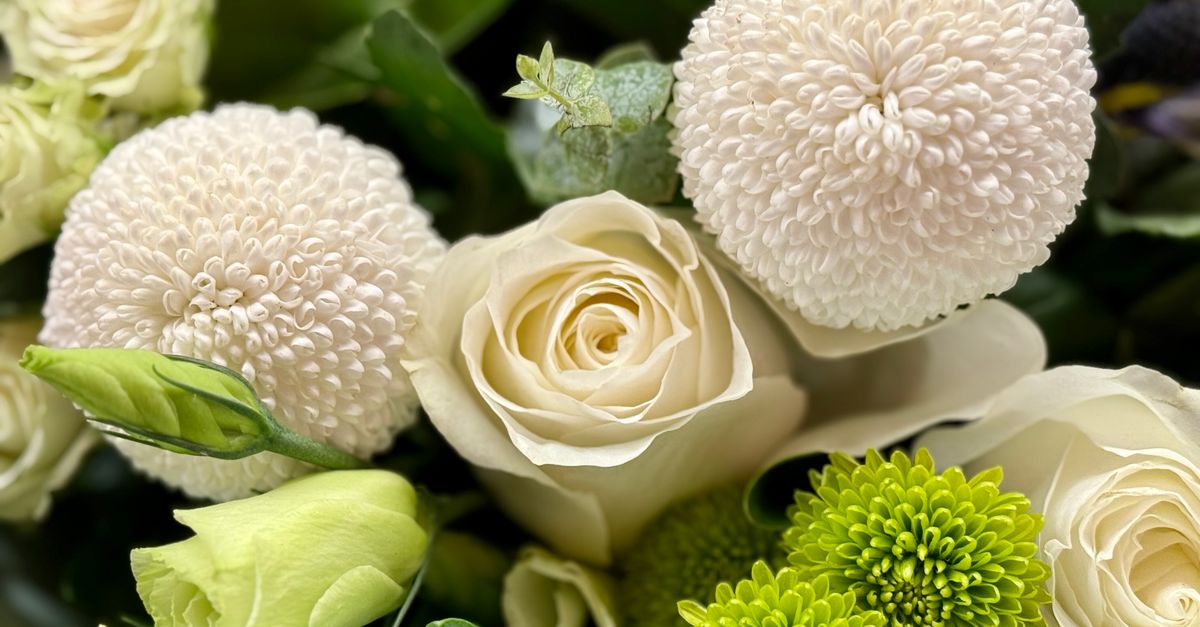
Considerate Flower Choices for Illness Recovery
Table Of Contents
Allergen Considerations
When selecting flowers for someone recovering from illness, it’s crucial to be mindful of potential allergens. Certain blooms, like lilies or daisies, often release pollen that can trigger allergic reactions in sensitive individuals. It’s advisable to consult with the person receiving the flowers to ensure that their home environment remains safe and comfortable.
Alternatives are available that minimise allergy risks while still providing beauty and cheer. Choosing hypoallergenic flowers, such as roses or orchids, can help avoid uncomfortable reactions. Consider using plants that are natural air purifiers, such as peace lilies or spider plants, as these options promote a healing atmosphere and reduce airborne irritants.
Fragrance-Free Options for Sensitive Individuals
For individuals recovering from illness, fragrance-free flowers can provide a comforting presence without overwhelming sensitivities. Some popular options include orchids, which possess an elegant appearance, and are known for their longevity. Lilies, especially varieties like the peace lily, are also non-fragrant and offer a lush touch to any room, contributing to a serene environment that encourages relaxation and healing.
In addition to being fragrance-free, it is essential to consider the visual appeal of the flowers chosen. Flowers with vibrant colours, such as gerbera daisies or sunflowers, can uplift spirits and brighten spaces. Selecting plants that are low-maintenance ensures that caregivers can focus on their loved ones without worrying about constant upkeep. Together, these choices create a harmonious atmosphere that supports wellness while remaining mindful of sensitivities.
Symbolic Meanings of Flowers
Flowers carry deep meanings that can uplift spirits, especially during recovery periods. Different blooms have unique symbolic meanings that resonate with various emotions and sentiments. For instance, daisies often represent innocence and purity, while sunflowers, with their bright faces, embody loyalty and adoration. Understanding these meanings enables the selection of flowers that not only beautify the environment but also impart positivity and comfort.
When choosing flowers for someone recovering from illness, it is beneficial to consider those that convey thoughtful messages. Roses, symbolising love and compassion, can serve as a reminder of support from loved ones. Lavender, known for its calming properties, can communicate peace and tranquility. Selecting blooms that align with the recipient’s emotional needs can create a powerful connection, nurturing not just the physical space but also the spirit of the individual.
Choosing Flowers with Encouraging Messages
Selecting flowers that carry uplifting messages can significantly enhance the mood of someone recovering from illness. Bright blooms like sunflowers represent adoration and loyalty, while daisies embody purity and cheerfulness. Incorporating these types of flowers into a bouquet can serve as a gentle reminder of support and love during the healing process.
Special attention can also be given to flowers that have personal meanings for the recipient. For instance, roses often convey love and admiration, whereas lavender can symbolize calmness and peace. When choosing flowers with symbolic value, consider both the recipient's experiences and preferences. Personalised arrangements not only brighten the room but can also evoke fond memories, fostering emotional well-being.
Creating Flower Arrangements
When arranging flowers, it's essential to consider the overall balance and composition of the display. Start with a sturdy base, using larger blooms to anchor the arrangement. Combining various heights and textures can create a visually appealing look. Experimenting with shapes helps to avoid a monotonous appearance. Incorporate foliage and filler flowers to fill gaps and enhance depth, making sure to maintain a harmonious colour palette.
Using vases or containers that complement the flowers can elevate the arrangement. Transparent glass, ceramic, or even rustic materials can all contribute to the overall aesthetic. Keep in mind the recipient’s preferences and space limitations when selecting the size and style of the arrangement. Regularly refreshing the water and trimming the stems will prolong the life of the flowers, ensuring that they remain vibrant throughout the recovery period.
Tips for Arranging Flowers for Maximum Impact
Consideration for height and proportion plays a key role in creating visually appealing arrangements. Begin with the largest flowers, placing them at the back or centre of the arrangement. This creates a solid focal point. Layer smaller blooms towards the front; they will fill out the arrangement beautifully. Keeping varying heights ensures a more dynamic display while drawing the eye to different areas.
Utilising diverse textures adds depth to the arrangement. Incorporate smooth petals alongside those with a more rugged look, such as foliage. This contrast can evoke interest and enhance the overall aesthetic. Similarly, playing with colour combinations helps to create mood and emphasis. Consider complementary colours for a harmonious effect or boldly contrasting shades for vibrancy.
FAQS
What should I consider when choosing flowers for someone recovering from an illness?
It's important to consider allergen factors, as some individuals may be sensitive to certain types of pollen or fragrances. Opting for hypoallergenic or fragrance-free flowers can be a considerate choice.
Are there specific flowers that are better suited for sensitive individuals?
Yes, flowers such as orchids, roses, and tulips are often recommended as they tend to be less likely to trigger allergies. Additionally, choosing arrangements that are fragrance-free can help accommodate sensitive individuals.
What are some flowers that carry encouraging symbolic meanings?
Flowers like sunflowers represent adoration and loyalty, while daisies symbolise purity and innocence. Choosing flowers with positive meanings can uplift the spirits of someone recovering from illness.
How can I create an impactful flower arrangement for someone recovering?
To create a maximum impact, consider using a variety of textures and colours, and ensure that the arrangement is not overcrowded. Incorporating personal touches, such as their favourite colours or flowers, can also enhance the appeal.
Where can I find inspiration for flower arrangements?
Inspiration can be found through online platforms like Pinterest, floral design websites, or by visiting local florists who may provide guidance on creating beautiful and thoughtful arrangements.
Related Links
Thoughtful Floral Designs for ConvalescenceBright Blooms to Lift Spirits: Get Well Soon Arrangements
Top Picks for Sending Love with Get Well Flowers
Vibrant Plants to Encourage Healing and Wellness
Meaningful Flower Messages for Health and Recovery
Creative Ways to Personalise Get Well Soon Flowers
Seasonal Selections for Uplifting Get Well Soon Gifts
Inspiring Get Well Soon Bouquets for All Ages
Best Flowers for Sending Cheer to Hospitalised Loved Ones